Mar 19, 2026
AI won't kill creativity, but we might.
Thoughts on AI, creative responsibility, and why your perspective still matters more than the prompt.
AI
Creative
Opinion
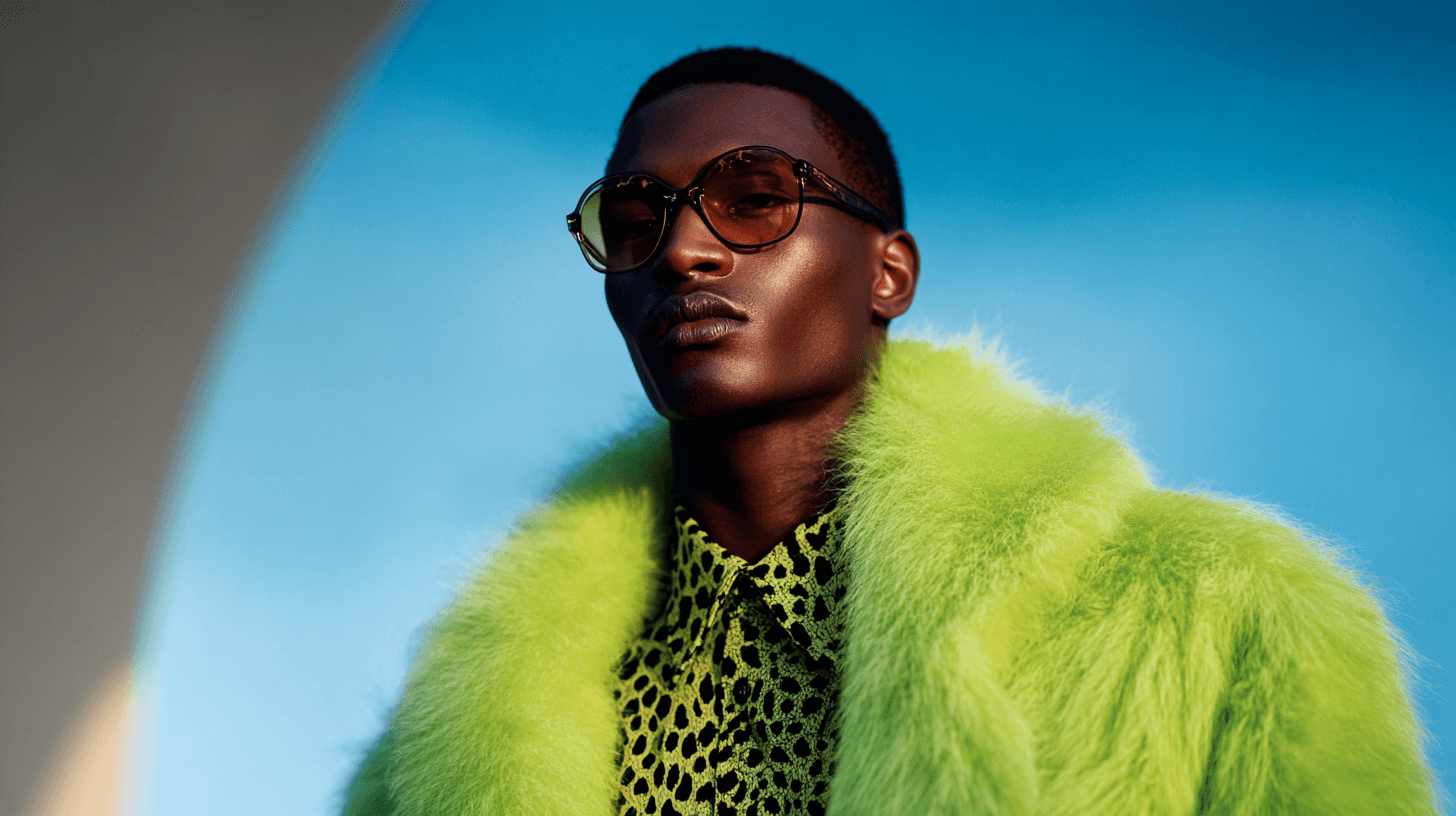
AI is only as interesting as the person using it.
There's a misconception floating around that if you can write a good prompt, you can skip the thinking. You can't. The prompt is just the question, and the quality of the question depends entirely on the depth of thinking behind it. Bad brief, bad prompt, bad output. The garbage in, garbage out principle didn't retire when ChatGPT launched.
What AI does brilliantly is compress the distance between the idea and the execution. It lets you test ten directions in the time it used to take to sketch one. But those ten directions still need someone at the wheel who knows which one is right, why it's right, and what to do with it next. That judgment doesn't come from a model. It comes from years of understanding people, brands, and what actually moves them.
The cultural blind spot
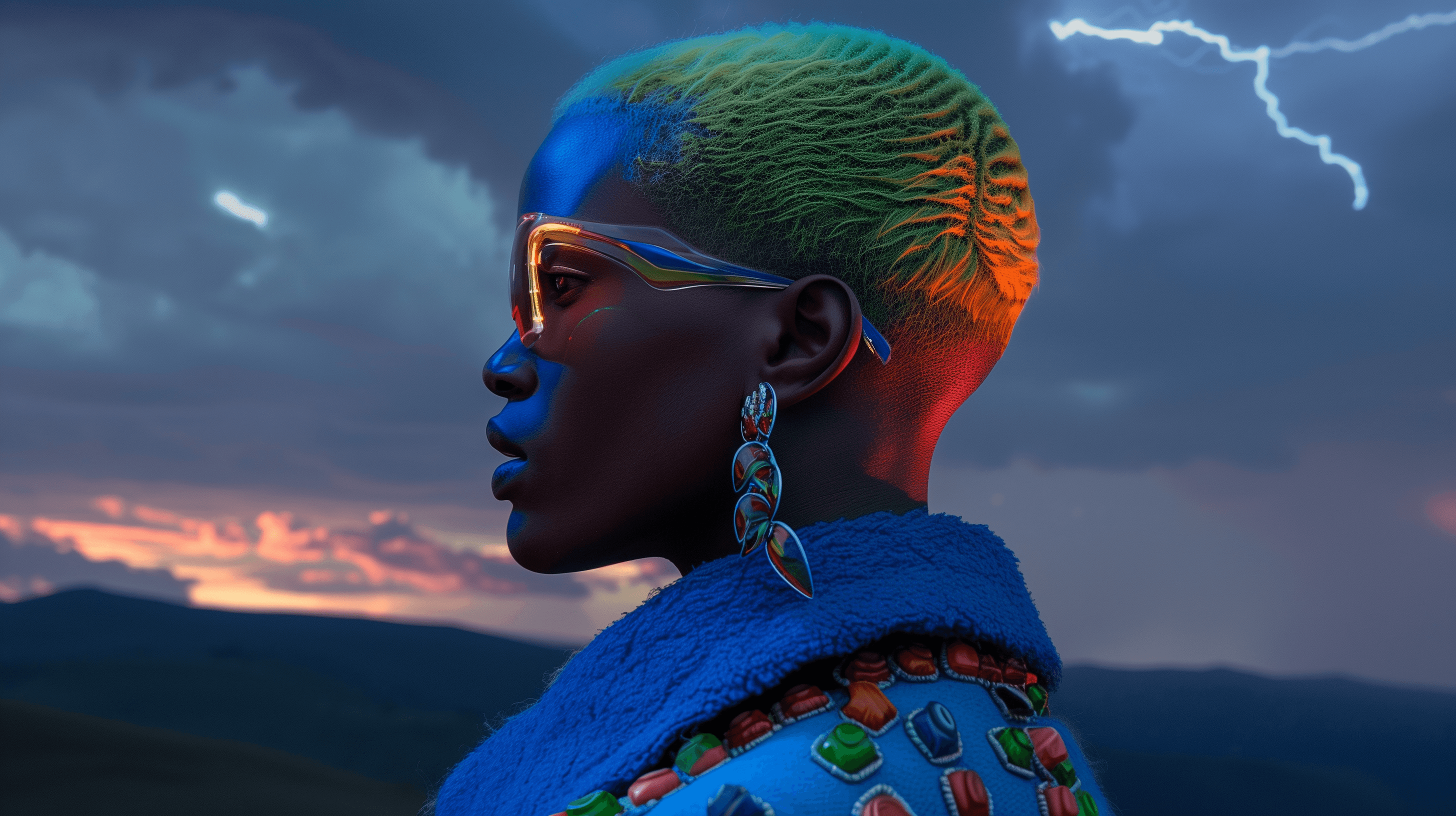
Here's something that doesn't get talked about enough. AI is trained on a very particular slice of the world. Predominantly Western, predominantly English, predominantly one way of seeing things. It's getting better, but it has blind spots. Big ones.
What it cannot do is understand the cultural specificity that makes communication land in a particular place, for a particular people, at a particular moment. The reference that only makes sense if you grew up watching SABC. The tone that reads as respectful in one context and dismissive in another. The visual language that means something to Basotho that it simply doesn't mean anywhere else.
That's not a gap you close with a better prompt. That's lived experience. And it's exactly why cultural intelligence, real, human, grounded cultural intelligence, is more valuable now than it has ever been.
The Junior Creative problem
This one keeps me up at night a little. If big companies start replacing human creative capacity with AI output, what happens to the pipeline? Where do the next generation of great creatives come from?
You don't become a good creative director without first being a junior who got things wrong, got feedback, tried again, and slowly built instinct through repetition and mentorship. AI can generate a hundred concepts but it cannot sit across from a young designer and explain why one of them works and the other nine don't. It cannot model creative thinking. It cannot pass on taste.
If we hollowed out human creative investment in the name of efficiency, we'd be borrowing from a future we're simultaneously defunding. The industry would get faster and shallower at the same time. That's not progress.

Opportunity
So where does that leave us?
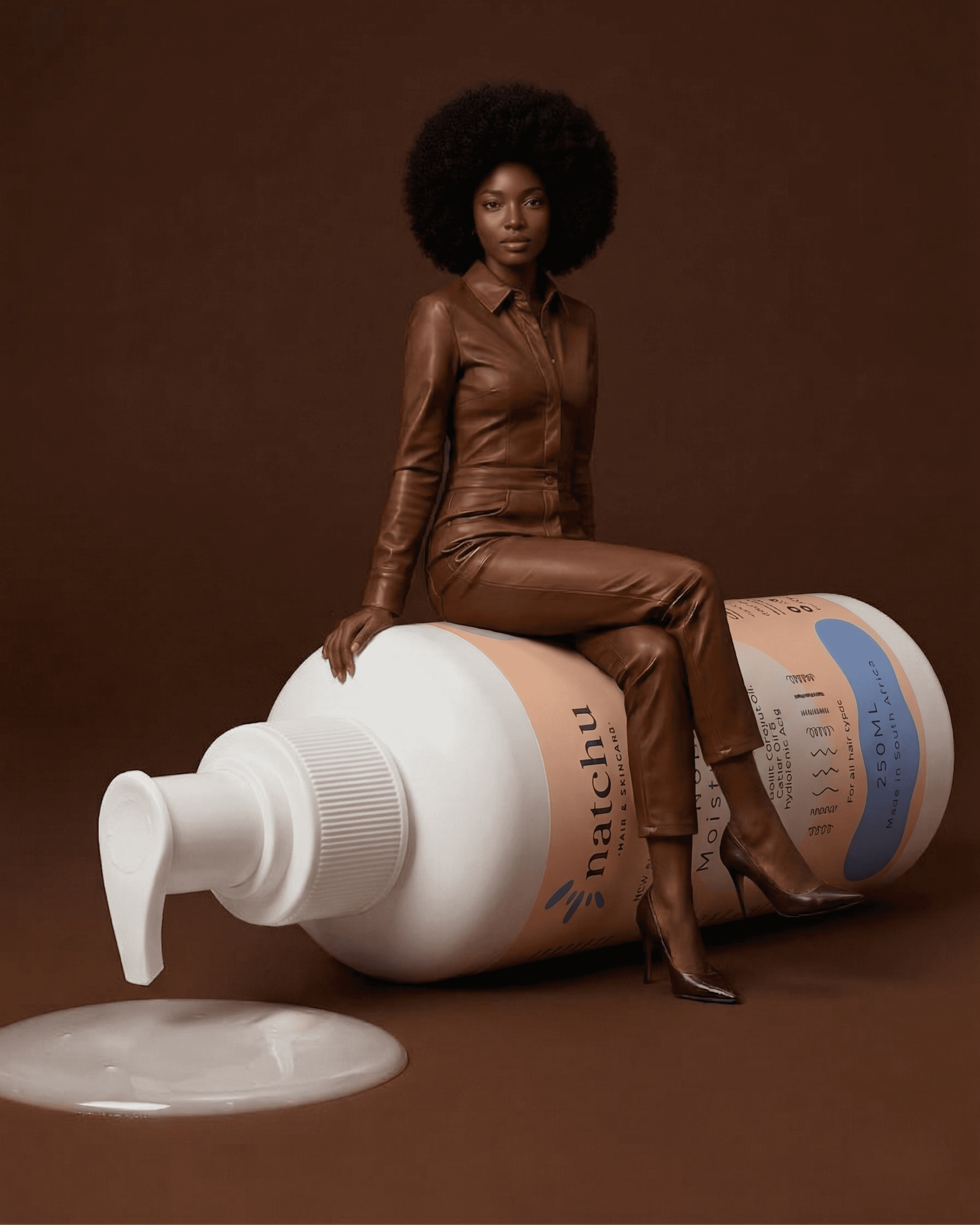
What excites me about AI is what it does for the small guys. A small business that couldn't afford a full production team can now show up with visuals that hold their own. A founder with a clear vision but no design budget can build something real. That's genuinely democratising and I think it's worth celebrating.
Where I get uncomfortable is when bigger companies, the ones with the budgets, the teams, the resources, start treating AI as a replacement rather than a tool. Because when that happens, we're not saving time, we're eroding something. Human creativity isn't just a nice-to-have. It's what makes brands feel like something. It's what makes work resonate rather than just exist.
Use AI to get there faster. Use it to explore more, to test ideas you wouldn't have had time to try, to fill gaps. But the perspective, the instinct, the cultural intelligence, that has to come from a person.
Otherwise we're all just remixing each other into irrelevance.

Latest Updates
(GQ® — 02)
©2026
Mar 19, 2026
AI won't kill creativity, but we might.
Thoughts on AI, creative responsibility, and why your perspective still matters more than the prompt.
AI
Creative
Opinion
AI is only as interesting as the person using it.
There's a misconception floating around that if you can write a good prompt, you can skip the thinking. You can't. The prompt is just the question, and the quality of the question depends entirely on the depth of thinking behind it. Bad brief, bad prompt, bad output. The garbage in, garbage out principle didn't retire when ChatGPT launched.
What AI does brilliantly is compress the distance between the idea and the execution. It lets you test ten directions in the time it used to take to sketch one. But those ten directions still need someone at the wheel who knows which one is right, why it's right, and what to do with it next. That judgment doesn't come from a model. It comes from years of understanding people, brands, and what actually moves them.
The cultural blind spot
Here's something that doesn't get talked about enough. AI is trained on a very particular slice of the world. Predominantly Western, predominantly English, predominantly one way of seeing things. It's getting better, but it has blind spots. Big ones.
What it cannot do is understand the cultural specificity that makes communication land in a particular place, for a particular people, at a particular moment. The reference that only makes sense if you grew up watching SABC. The tone that reads as respectful in one context and dismissive in another. The visual language that means something to Basotho that it simply doesn't mean anywhere else.
That's not a gap you close with a better prompt. That's lived experience. And it's exactly why cultural intelligence, real, human, grounded cultural intelligence, is more valuable now than it has ever been.
The Junior Creative problem
This one keeps me up at night a little. If big companies start replacing human creative capacity with AI output, what happens to the pipeline? Where do the next generation of great creatives come from?
You don't become a good creative director without first being a junior who got things wrong, got feedback, tried again, and slowly built instinct through repetition and mentorship. AI can generate a hundred concepts but it cannot sit across from a young designer and explain why one of them works and the other nine don't. It cannot model creative thinking. It cannot pass on taste.
If we hollowed out human creative investment in the name of efficiency, we'd be borrowing from a future we're simultaneously defunding. The industry would get faster and shallower at the same time. That's not progress.
Opportunity
So where does that leave us?
What excites me about AI is what it does for the small guys. A small business that couldn't afford a full production team can now show up with visuals that hold their own. A founder with a clear vision but no design budget can build something real. That's genuinely democratising and I think it's worth celebrating.
Where I get uncomfortable is when bigger companies, the ones with the budgets, the teams, the resources, start treating AI as a replacement rather than a tool. Because when that happens, we're not saving time, we're eroding something. Human creativity isn't just a nice-to-have. It's what makes brands feel like something. It's what makes work resonate rather than just exist.
Use AI to get there faster. Use it to explore more, to test ideas you wouldn't have had time to try, to fill gaps. But the perspective, the instinct, the cultural intelligence, that has to come from a person.
Otherwise we're all just remixing each other into irrelevance.
Latest Updates
(GQ® — 02)
©2026
Mar 19, 2026
AI won't kill creativity, but we might.
Thoughts on AI, creative responsibility, and why your perspective still matters more than the prompt.
AI
Creative
Opinion
AI is only as interesting as the person using it.
There's a misconception floating around that if you can write a good prompt, you can skip the thinking. You can't. The prompt is just the question, and the quality of the question depends entirely on the depth of thinking behind it. Bad brief, bad prompt, bad output. The garbage in, garbage out principle didn't retire when ChatGPT launched.
What AI does brilliantly is compress the distance between the idea and the execution. It lets you test ten directions in the time it used to take to sketch one. But those ten directions still need someone at the wheel who knows which one is right, why it's right, and what to do with it next. That judgment doesn't come from a model. It comes from years of understanding people, brands, and what actually moves them.
The cultural blind spot
Here's something that doesn't get talked about enough. AI is trained on a very particular slice of the world. Predominantly Western, predominantly English, predominantly one way of seeing things. It's getting better, but it has blind spots. Big ones.
What it cannot do is understand the cultural specificity that makes communication land in a particular place, for a particular people, at a particular moment. The reference that only makes sense if you grew up watching SABC. The tone that reads as respectful in one context and dismissive in another. The visual language that means something to Basotho that it simply doesn't mean anywhere else.
That's not a gap you close with a better prompt. That's lived experience. And it's exactly why cultural intelligence, real, human, grounded cultural intelligence, is more valuable now than it has ever been.
The Junior Creative problem
This one keeps me up at night a little. If big companies start replacing human creative capacity with AI output, what happens to the pipeline? Where do the next generation of great creatives come from?
You don't become a good creative director without first being a junior who got things wrong, got feedback, tried again, and slowly built instinct through repetition and mentorship. AI can generate a hundred concepts but it cannot sit across from a young designer and explain why one of them works and the other nine don't. It cannot model creative thinking. It cannot pass on taste.
If we hollowed out human creative investment in the name of efficiency, we'd be borrowing from a future we're simultaneously defunding. The industry would get faster and shallower at the same time. That's not progress.
Opportunity
So where does that leave us?
What excites me about AI is what it does for the small guys. A small business that couldn't afford a full production team can now show up with visuals that hold their own. A founder with a clear vision but no design budget can build something real. That's genuinely democratising and I think it's worth celebrating.
Where I get uncomfortable is when bigger companies, the ones with the budgets, the teams, the resources, start treating AI as a replacement rather than a tool. Because when that happens, we're not saving time, we're eroding something. Human creativity isn't just a nice-to-have. It's what makes brands feel like something. It's what makes work resonate rather than just exist.
Use AI to get there faster. Use it to explore more, to test ideas you wouldn't have had time to try, to fill gaps. But the perspective, the instinct, the cultural intelligence, that has to come from a person.
Otherwise we're all just remixing each other into irrelevance.
Latest Updates
©2026